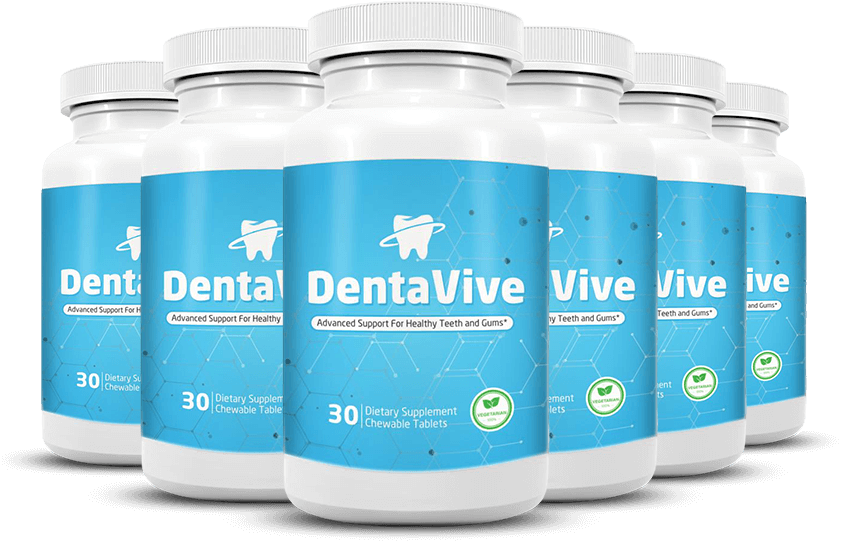
Side-by-side snapshot
| Feature | DentaVive | BioGaia Prodentis |
|---|---|---|
| Probiotic approach | Five-organism blend | Two patented L. reuteri strains |
| Publicly named organisms | L. reuteri, L. paracasei, B. lactis BL-04, L. salivarius, S. salivarius K12 | L. reuteri DSM 17938 + L. reuteri ATCC PTA 5289 |
| Delivery | Chewable tablet | Lozenge designed to melt in the mouth |
| Added ingredients | Inulin + tricalcium phosphate highlighted by merchant | Isomalt, xylitol and flavoring ingredients listed on current BioGaia page |
| Research story | Category/ingredient evidence; no finished-product RCT identified by us | Brand emphasizes extensive research history on its two L. reuteri strains |
Broad blend versus focused strain pair
This is the most conceptually useful comparison of the three. DentaVive’s marketing value proposition is breadth: five probiotic organisms plus a prebiotic and mineral component. BioGaia Prodentis is narrower: two specific L. reuteri strains in a lozenge. Neither design is automatically better; they answer different preferences.
Why strain IDs are useful
BioGaia publishes strain identifiers — DSM 17938 and ATCC PTA 5289 — which makes it easier to match the product to strain-specific research. DentaVive names organisms and one strain designation (BL-04 / K12 as presented), but its current sales page is primarily a merchant marketing page rather than a technical evidence dossier.
Research strength should not be oversold
BioGaia’s page states that its L. reuteri strains have been researched in many clinical studies. That is a meaningful transparency advantage, but individual studies vary in population, outcome and protocol. DentaVive should be held to the same standard: related strain research is supportive context, not automatic proof of every marketing claim.
How to decide what fits your intent
- Choose a focused formula if you value specific strain IDs and a simpler research trail.
- Choose a broader formula only if you actually want the additional organisms and supportive ingredients.
- Check the serving format: both are designed for local oral exposure rather than a standard swallowed capsule.
- Do not use either product as a substitute for hygiene or needed periodontal/restorative care.
Where DentaVive may appeal
DentaVive may appeal to shoppers who specifically want a broader, multi-strain chewable and are comfortable evaluating a merchant-led formula story rather than a product with a long, strain-focused corporate research history.