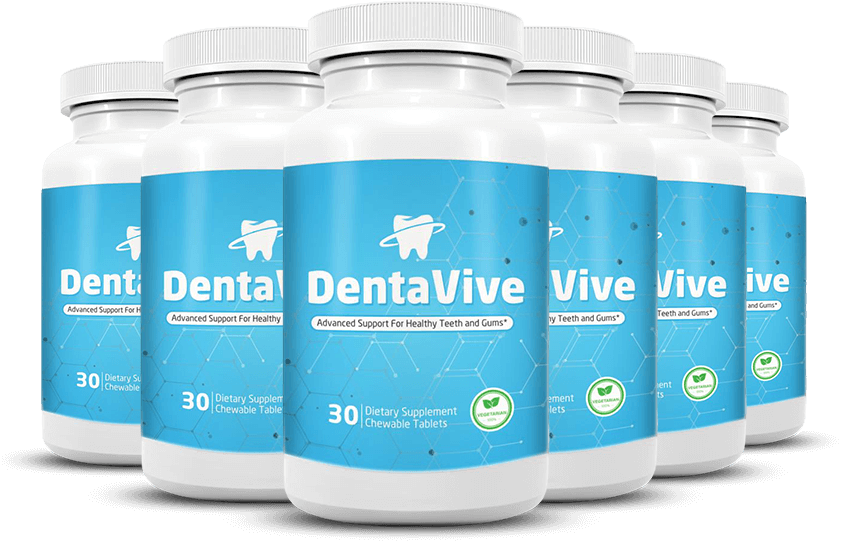
What is in DentaVive?
The current DentaVive TSL lists five probiotic strains/species plus inulin and tricalcium phosphate. The page states that each chewable tablet contains 3.5 billion live, active probiotics. Because supplement formulas can change, check the physical label you receive before relying on any online ingredient list.
Five named probiotic strains
| Ingredient | Why it is relevant to the category | What not to assume |
|---|---|---|
| Lactobacillus reuteri | One of the more studied probiotic species in periodontal-adjunct research. | Evidence on a species/strain in a trial does not prove the DentaVive finished product has the same clinical effect. |
| Lactobacillus paracasei | Appears in oral-probiotic products and has been studied for interactions with cariogenic bacteria. | It is not a substitute for fluoride, plaque removal or restorative treatment. |
| Bifidobacterium lactis BL-04 | A named probiotic strain also seen in other oral-health formulas. | Do not infer enamel “rebuilding” from strain presence alone. |
| Lactobacillus salivarius | Studied in oral and gastrointestinal probiotic contexts. | Fresh-breath or gum outcomes depend on strain, dose and study design. |
| Streptococcus salivarius K12 | Commonly discussed in oral/throat microbiome products and halitosis research. | “Antimicrobial” activity in research is not the same as treating infection. |
Inulin and tricalcium phosphate
The merchant describes inulin as a prebiotic intended to support beneficial bacteria. Tricalcium phosphate is a calcium-phosphate compound used in foods, supplements and dental materials; the presence of this ingredient in a chewable does not by itself demonstrate clinically meaningful enamel remineralization. Ingredient plausibility and finished-product outcome are different evidence questions.
3.5 billion probiotics: is the number meaningful?
CFU count can matter, but more is not automatically better. Oral-probiotic effects are strain-specific and delivery-specific. A useful label tells you the strains, serving size, storage conditions and ideally potency through end of shelf life rather than relying on a large headline number alone.
Ingredient transparency checklist
- Match the online list to the physical Supplement Facts panel.
- Confirm the exact probiotic strain names where possible, not just the genus or species.
- Check serving instructions and whether potency is stated at manufacture or through expiration.
- Review allergens, sweeteners, flavoring agents and inactive ingredients if you have sensitivities.
- Ask a pharmacist or clinician about supplements if you use prescription medicines or have significant medical conditions.
Research context
A 2025 meta-analysis found that probiotics may provide some benefit when used alongside periodontal therapy, but results vary by endpoint and trial design. This is the right level of confidence for ingredient discussion: potentially useful adjunctive biology, not proof of disease treatment.
PubMed: Clinical effects of probiotics on gingivitis and periodontitis
Ready to verify the current label?
Use the merchant page to confirm the latest formula and purchase terms.
View DentaVive Details