What counts as an alternative?
An alternative does not need to copy every ingredient. The meaningful category is products positioned to support the oral microbiome or oral health with probiotic organisms. Relevant differences include strain identity, number of strains, CFU count, delivery form, prebiotics, added minerals or botanicals, public label transparency and price.
Three alternatives worth comparing
| Product | Public formula angle | Useful comparison question |
|---|---|---|
| ProDentim | NIH-label-derived data list L. paracasei, B. lactis BL-04, L. reuteri, S. salivarius and inulin in a dissolving tablet. | How much overlap is there with DentaVive, and which label is more current? |
| ProvaDent | Current public descriptions center on a 3.5B probiotic blend plus xylitol, cranberry, purple carrot and a proprietary enzyme blend; specific strains are not consistently disclosed publicly. | Do you value named strains more than a broader botanical/enzyme ingredient story? |
| BioGaia Prodentis | Focused lozenge with two patented L. reuteri strains and extensive strain-specific research history. | Do you prefer a narrower, well-characterized strain pair or a broader multi-strain formula? |
DentaVive’s distinct angle
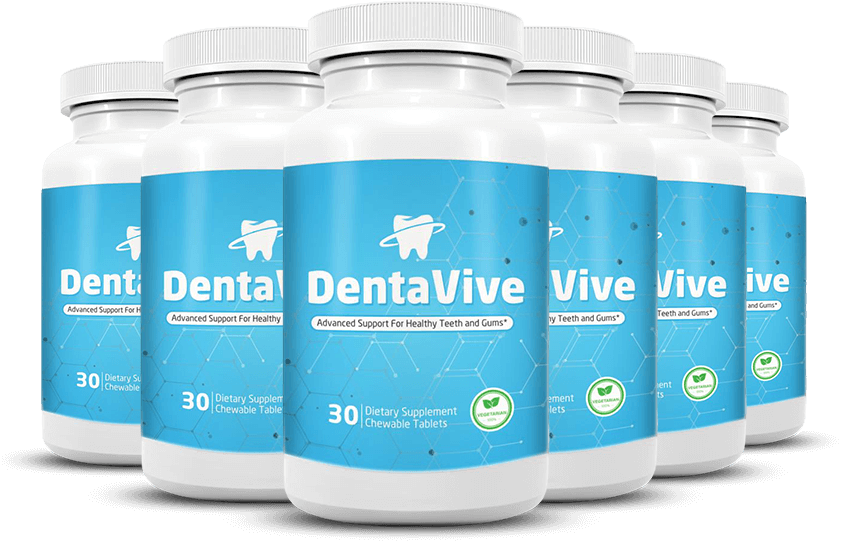
DentaVive currently combines five named probiotic species/strains with inulin and tricalcium phosphate in a chewable tablet. The differentiator is not simply “more strains.” It is the combination of named strain disclosure, local delivery and added prebiotic/mineral components. The evidence question still remains product-specific.
When a simpler formula can be attractive
A narrower formula can be easier to evaluate because the relevant strain evidence is clearer. BioGaia Prodentis is the cleanest example in this comparison set: its public product page names two specific L. reuteri strains, making it easier to connect the label to the company’s strain-focused research program.
When a broader formula can be attractive
A broader formula may appeal if you want multiple probiotic species plus supportive ingredients in one product. The tradeoff is that the more complex a formula becomes, the harder it is to infer finished-product effects from research on individual ingredients.
Next comparisons
Read the dedicated DentaVive vs ProDentim, DentaVive vs ProvaDent, and DentaVive vs BioGaia Prodentis pages for more detail.
Want to inspect DentaVive itself?
Use the merchant page to verify current formula and purchase terms.
See DentaVive Offer