1. Start with the exact goal
Bad breath, general oral freshness, periodontal-adjunct interest and cavity-risk questions are not the same intent. The evidence base differs by endpoint, and a product that is interesting for one use may have little direct evidence for another.
2. Prefer named strains
Species names are useful; strain identifiers are better. When a brand publishes only “probiotic blend,” you cannot easily connect the formula to strain-level research.
3. Match delivery to the mouth
For oral targets, lozenges and dissolving/chewable tablets are common because they provide direct oral exposure. A swallowed capsule can still have biological effects, but it is a different delivery model.
4. Read the CFU claim carefully
Ask whether the CFU count is at manufacture or guaranteed through shelf life, and whether the serving directions make sense. Larger numbers are not automatically superior.
5. Separate formula logic from product proof
Ingredient studies can make a formula plausible. Product-specific randomized trials are much stronger. Avoid treating a collection of ingredient citations as if it were a clinical trial of the finished bottle.
6. Compare price and return terms
Evaluate total checkout cost, serving count and the return process. Ignore fake precision, countdown timers or stock claims that pressure you to buy more than you need.
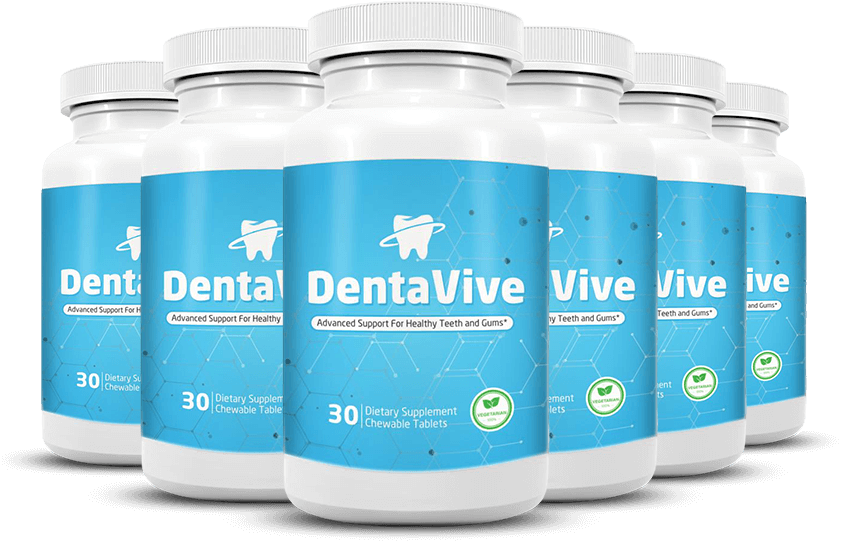
How DentaVive scores on transparency
DentaVive’s current merchant page names five organisms and a 3.5 billion live-probiotic total, which is useful formula detail. The main evidence limitation is that we did not identify an independent finished-product trial.