Why bacteria matter
Many cases of oral malodor involve volatile sulfur compounds produced by microorganisms in the mouth, especially on the tongue and in periodontal niches. That makes microbial strategies biologically plausible.
What probiotic studies examine
Trials have evaluated organisms such as Streptococcus salivarius strains for changes in odor scores or volatile sulfur compounds. Results are product- and protocol-specific, and the literature does not support promising permanent resolution for every cause of bad breath.
What to do before buying a supplement
- Clean the tongue gently and consistently.
- Brush twice daily and clean between teeth.
- Address dry mouth and hydration issues where appropriate.
- Get persistent gum bleeding, pain or deep pockets assessed.
- Review medications and medical causes with a professional if bad breath persists.
Red flags for another cause
Persistent foul taste, pus, swelling, tooth pain, fever, significant reflux symptoms or bad breath that continues despite good hygiene deserves professional assessment. Masking the symptom can delay care.
DentaVive angle
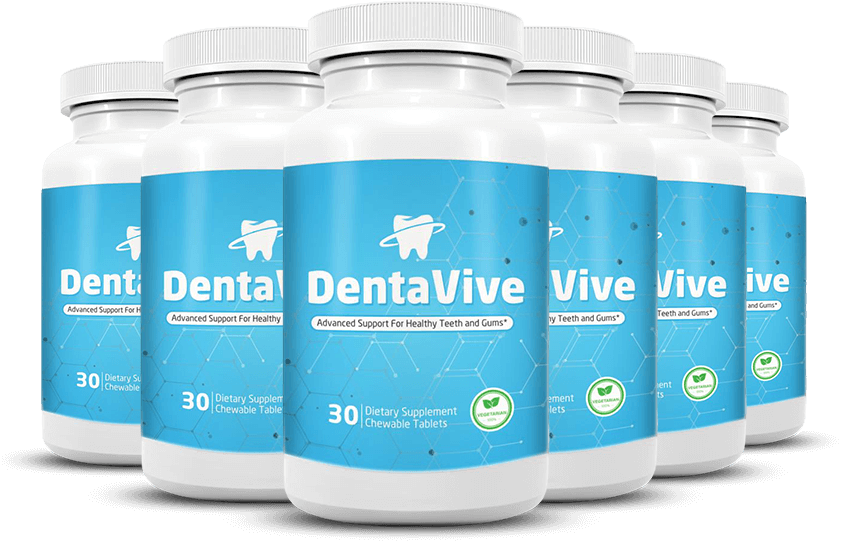
DentaVive includes Streptococcus salivarius K12 among its named organisms and is marketed for oral freshness. That ingredient choice is relevant to the category, but the merchant’s finished-product claims should not be treated as clinical proof.