What the 2025 meta-analysis found
A 2025 meta-analysis included 24 randomized studies. In periodontitis, probiotic groups had favorable changes in plaque index and bleeding on probing in pooled analyses, while probing depth was not significant overall. In gingivitis studies, pooled plaque and bleeding differences were lower but not statistically significant.
Why conventional care stays central
Periodontitis involves biofilm, host response and loss of supporting tissues. Mechanical debridement, professional diagnosis and a personalized maintenance plan address problems a supplement cannot physically remove.
What a probiotic may realistically be
For an appropriate person, an oral probiotic may be considered a supportive addition to daily care or periodontal treatment after discussing the broader plan with a dental professional. It should not be marketed as a reason to delay evaluation.
When bleeding gums need attention
Bleeding that persists, recession, bad taste, tooth mobility, swelling or deep pockets can signal a periodontal problem. Supplements are not a diagnostic test.
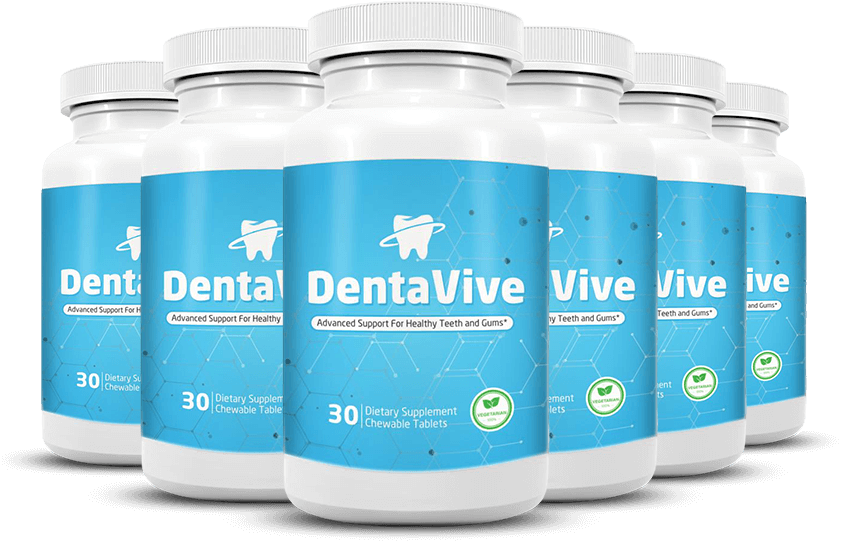
DentaVive context
DentaVive’s current formula contains several organisms used in oral-probiotic research, including L. reuteri. That makes the formula category-relevant but does not prove the merchant’s strongest gum-health claims.