What mouthwash can do
Depending on the formulation, mouthwash can deliver fluoride, antiseptic agents or other actives. Some products have specific evidence for plaque, gingivitis or caries-risk reduction. The exact formulation matters.
What oral probiotics try to do
Probiotics aim to influence the microbial community or host response by adding selected live organisms. This is a different mechanism from broad antimicrobial activity.
The false choice to avoid
Marketing sometimes frames the decision as “kill bacteria with chemicals” versus “restore good bacteria naturally.” That is too simplistic. Evidence-based oral care can include targeted antimicrobials, fluoride, mechanical plaque control and — for some people — adjunctive probiotic strategies.
Can you use both?
Compatibility depends on the specific products and timing. An antimicrobial mouthwash used immediately with a live probiotic could theoretically reduce probiotic viability. Follow product directions and ask a dental professional if you are using a therapeutic rinse.
Where DentaVive fits
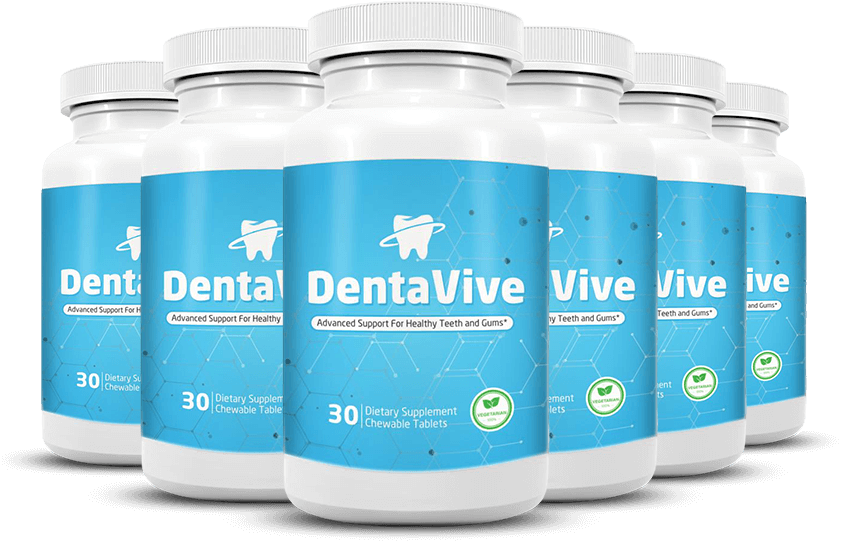
DentaVive uses the probiotic side of this comparison and markets a chewable oral-delivery format. It should complement, not replace, the hygiene or therapeutic products recommended for you.