What oral probiotics are
Oral probiotics are typically delivered as lozenges, dissolving tablets, chewables or other forms designed for contact with saliva and oral tissues. They are not the same thing as every probiotic sold for gut health. The organism, strain, viable dose, delivery method and target outcome all matter.
What researchers measure
- Plaque index and bacterial counts
- Bleeding on probing and gingival indices
- Periodontal pocket depth and attachment measures
- Volatile sulfur compounds or organoleptic scores for bad breath
- Caries-related bacteria such as Streptococcus mutans
- Persistence or change in oral microbial communities
What recent evidence suggests
A 2025 systematic review and meta-analysis of randomized trials reported some favorable adjunctive effects in periodontitis, including plaque index and bleeding on probing, while other outcomes were non-significant and gingivitis findings were less clear. That is a signal of potential benefit, not a universal treatment effect.
Why strain specificity matters
Two products can both say “oral probiotic” yet contain different organisms with different evidence. Even within one species, strain IDs can matter. A useful product page names the strains and gives you enough label detail to connect the formula to relevant research.
What oral probiotics cannot do
A probiotic does not mechanically remove plaque, repair a cavity, replace a filling, diagnose gum disease, remove calculus, or make a loose tooth safe. If marketing blurs those lines, treat the claim cautiously.
Where DentaVive fits
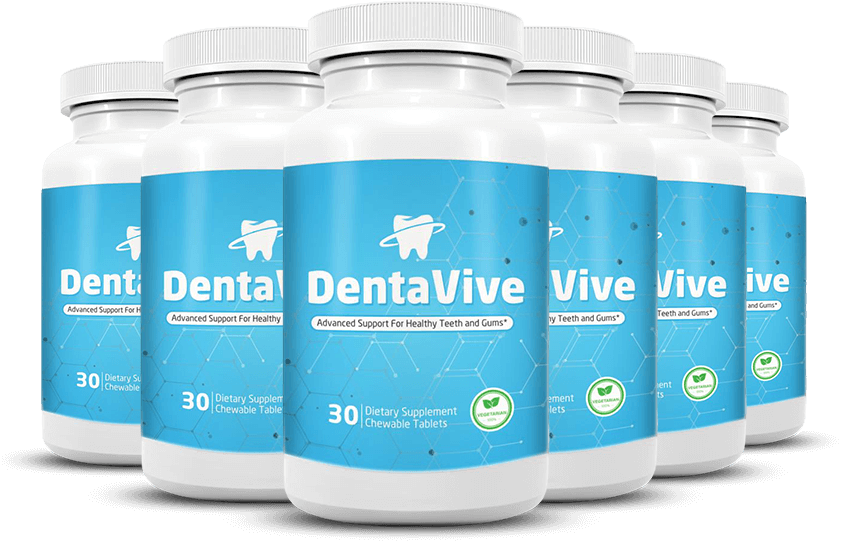
DentaVive belongs in the oral-probiotic category because it is a chewable formula marketed for local oral delivery and currently lists five probiotic organisms, inulin and tricalcium phosphate.